Growth & Leadership
Children Don’t Need Hardship. They Need to Learn How to Solve Problems.
Professionally assessed rally challenges can help children practise judgment, problem-solving, teamwork, responsible help-seeking and reflection—not hardship for its own sake.
Updated 2026-07-29 by Tiejun Li (Coach Tie)
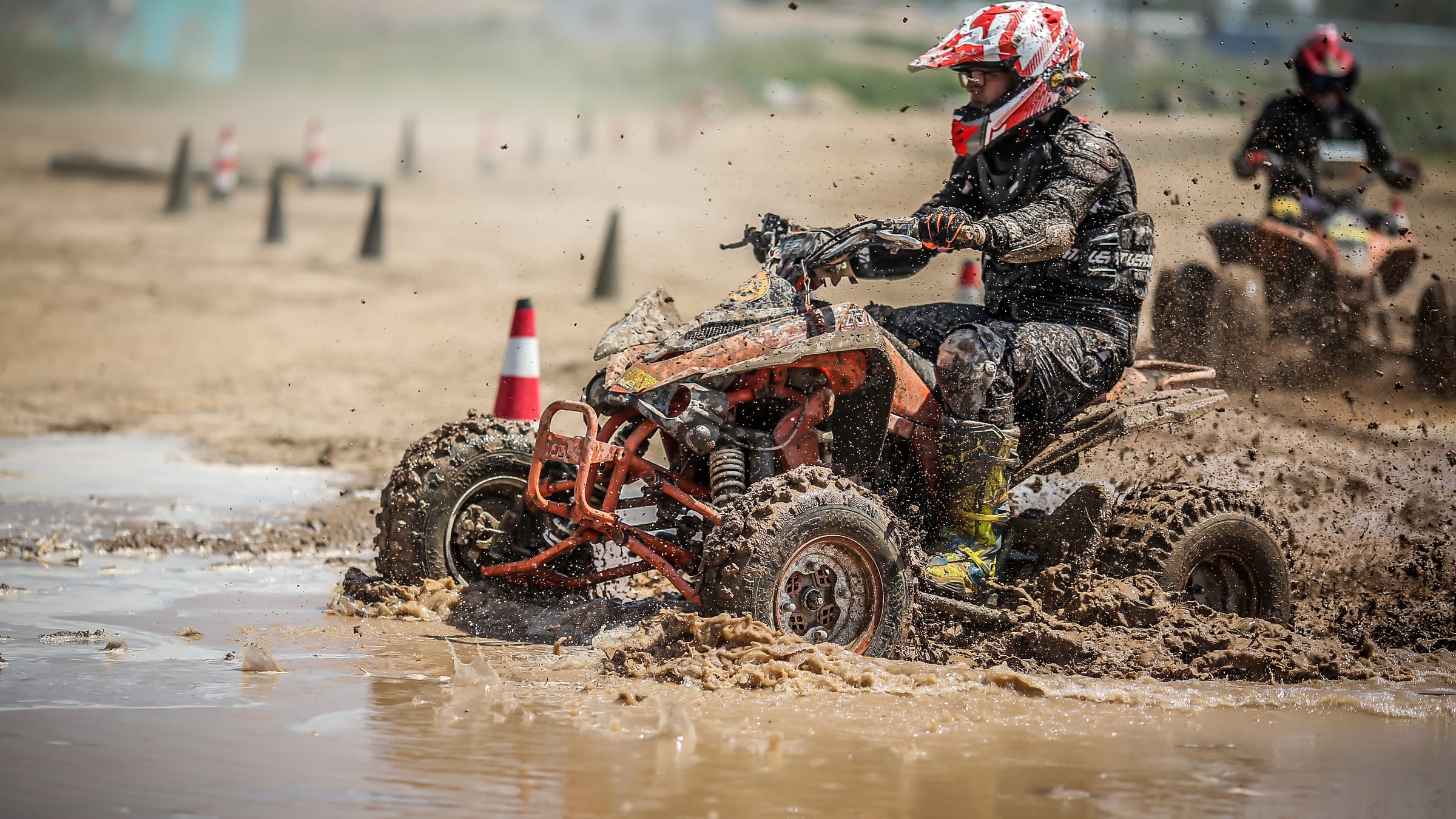
A meaningful challenge is not a test of how much discomfort a child can endure. It is an opportunity to observe, decide, ask for help, work with others, and take responsibility for what comes next.
At a rally camp, a child may enter a muddy section and suddenly feel the wheels lose traction. The approach that worked a moment ago no longer works. Their first instinct may be to apply more power, freeze, or look immediately to the coach for an answer.
Before any coaching conversation begins, the vehicle must be brought to a stable stop under site procedure, with the engine shut down or the hazard isolated when required. Staff then check for injury, vehicle abnormalities, and any environmental condition needing immediate action. While a risk is still active, the coach and safety team take control; danger is never used as a teaching opportunity.
Only after the situation is stable and no immediate response is required does the coach invite the child to look back:
What do you notice? What has changed? What have you already tried? What needs attention first? What kind of help would be useful?
The eventual solution may come from the child, a teammate, or an adult who decides that intervention is necessary. But the educational value of those few minutes is not simply whether the child “pushed through.” It is whether they moved from alarm to observation, from waiting for rescue to identifying a safe next step.
Children do not need hardship for its own sake. They need repeated opportunities to learn what to do when difficulty appears.
Enduring discomfort is not the same as facing a problem
Parents sometimes say, “Life is too comfortable for children now. They need to go somewhere difficult and toughen up.”
The concern behind that statement is understandable. Most parents are not wishing pain on their children. They are wondering whether a child who is protected from every frustration will be ready for disappointment, uncertainty, and responsibility later in life.
Perseverance matters. Being able to tolerate fatigue, delay gratification, and continue when progress is slow can support long-term goals. But endurance is only one part of resilience.
A child can finish a demanding activity because there was no meaningful choice, because an adult kept issuing commands, or because they were afraid of being called weak. They may have endured the experience without learning how to assess a situation, communicate a concern, or choose a better course of action.
Problem-solving asks something different. The child begins to consider: What is actually happening? What can I do myself? Should I slow down? Is this still safe? When should I ask for help? How will my choice affect the rest of the team?
If an activity only makes children hotter, more tired, and more uncomfortable, but gives them no room to observe, choose, act, and reflect, discomfort does not automatically become capability. Worse, when “toughness” is the only measure of success, a child may hide pain, ignore a warning sign, or confuse reckless behaviour with courage.
Growth does not mean having no fear, frustration, or tears. It means learning to notice those signals and gradually recover the ability to think and act.
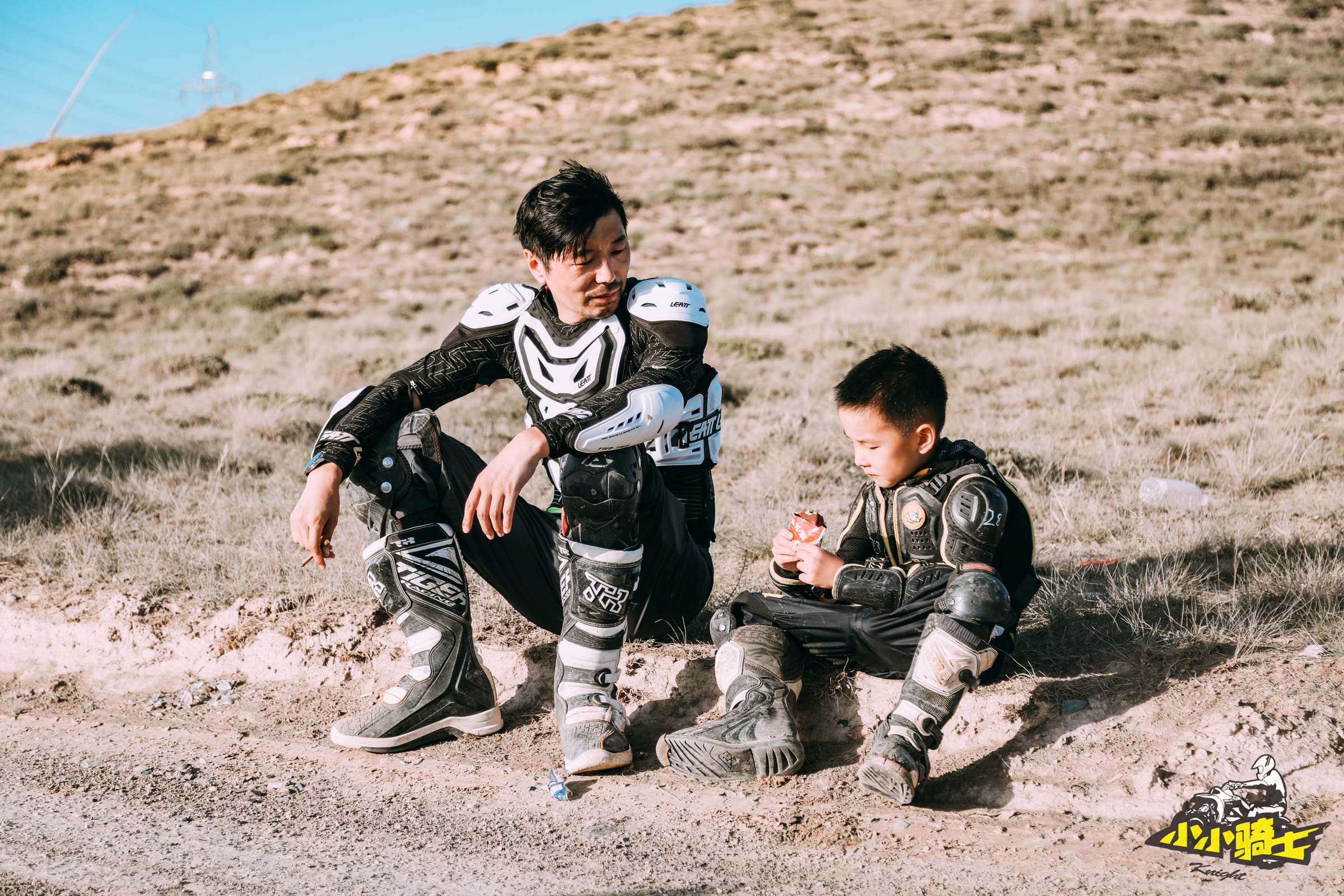
Pausing, communicating and recovering judgment are part of responsible action.
A good challenge stretches a child—and has clear boundaries
Not every difficult experience is educational. A more dangerous route, a harder task, or a child in greater distress does not necessarily produce deeper growth.
In our curriculum, a worthwhile challenge is built around several conditions:
- The child understands the purpose. They know the goal, their role, and how their actions may affect other people.
- The task is just beyond current comfort, not far beyond current capacity. It should feel demanding but possible with effort, teamwork, and appropriate support.
- A qualified team remains responsible for safety. Equipment, vehicle systems, route and weather, medical or first-aid concerns, and emergencies must be assessed and managed under the relevant procedures by people with the appropriate competence.
- The child has age-appropriate agency. Within a safe range, they can suggest an approach, describe how they feel, or request support. If they feel unwell, uncertain, or think a task may exceed their capacity, they can ask to pause or stop; qualified adults make the final risk decision.
- Mistakes are recoverable and followed by reflection. Forgetting a non-critical item or communicating poorly can become useful feedback. Real danger must never be used as a teaching device.
Where ATVs are involved, the vehicle type and specification must match the child’s age, body size, training level, and the manufacturer’s recommendation. A child should receive appropriate training and operate only in a designated off-road area, under direct adult supervision, and in accordance with local law and site rules.
Our broader safety approach starts from a simple distinction: children can participate in judgment, but they must not be made responsible for risks beyond their age, experience, or training.
Giving a child responsibility is not the same as leaving a child alone with danger.
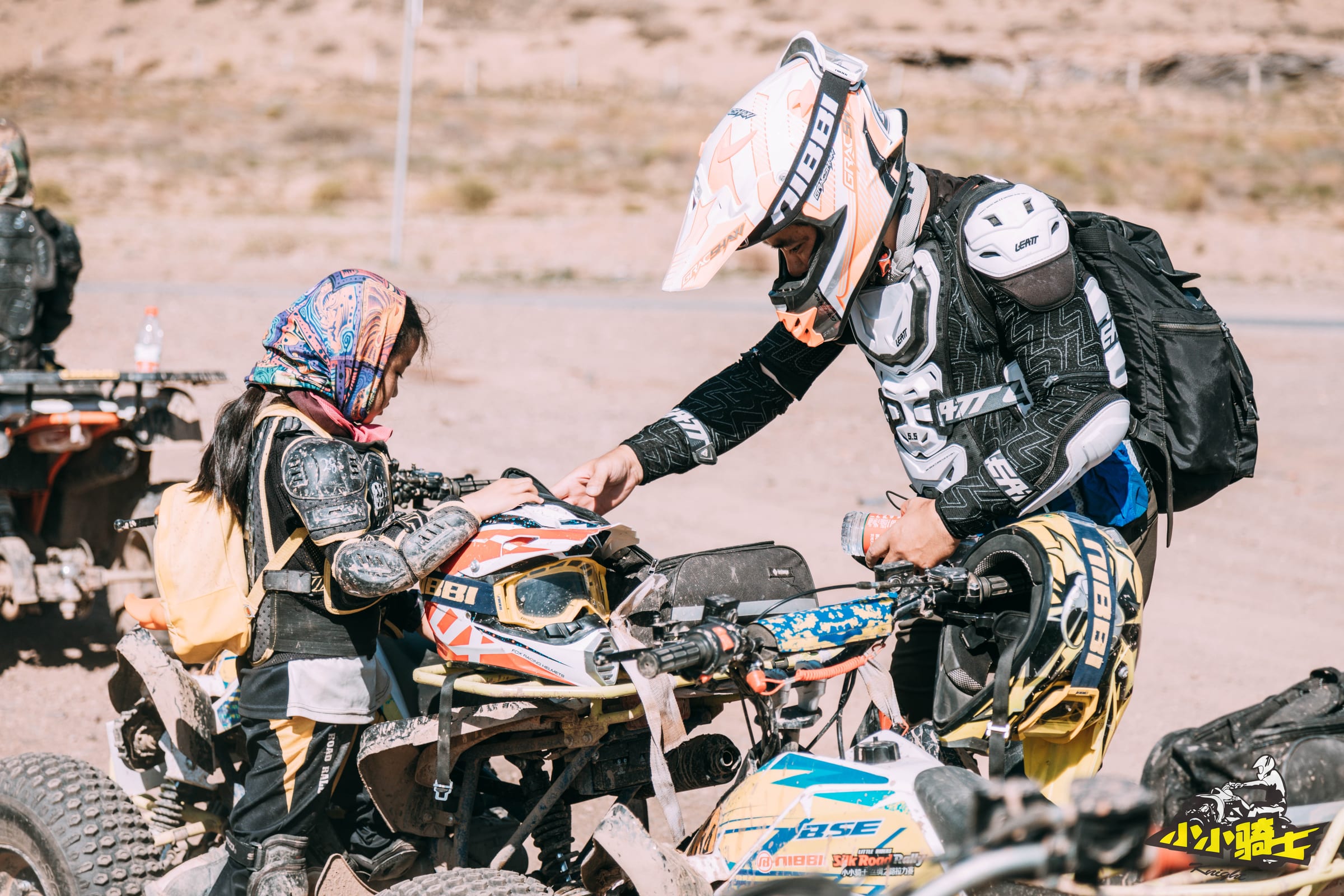
A meaningful challenge begins with preparation, clear rules and understood responsibilities.
The reflection afterwards matters just as much as the task. Why did you make that choice? Which information did you miss? What worked? What did your teammate contribute? What would you change next time?
If the group moves immediately to the next task, a child may remember only, “That was exhausting.” A structured reflection can help them organise scattered feelings and actions into a method they may be able to use again.
Turning “I can’t” into “What can I do next?”
Real-world problems rarely arrive with tidy instructions and one correct answer. Weather changes. A route looks different on the ground. Equipment behaves unexpectedly. Team members have different levels of energy, confidence, and experience.
That uncertainty is one reason rally-based learning can be so powerful. In a real setting where risks have been professionally assessed and are actively managed, children can practise a repeatable process:
- Pause and observe. What are the facts? What is my body telling me? What emotion am I experiencing?
- Check urgency and risk. Is this a problem I can safely explore, or does an adult need to assess a health, vehicle, terrain, or weather concern immediately?
- Take stock of resources. What time, information, tools, energy, and expertise are available?
- Choose a manageable next step. The goal is not a perfect answer. It is one useful and safe action that produces more information.
- Communicate and act. Share observations, explain what support is needed, and make a decision with the people affected.
- Review the result and adjust. An unsuccessful attempt does not mean “I am incapable.” It means the plan needs new information or a different approach.
Maturity is not following the original plan at all costs. It is responding responsibly when reality changes.
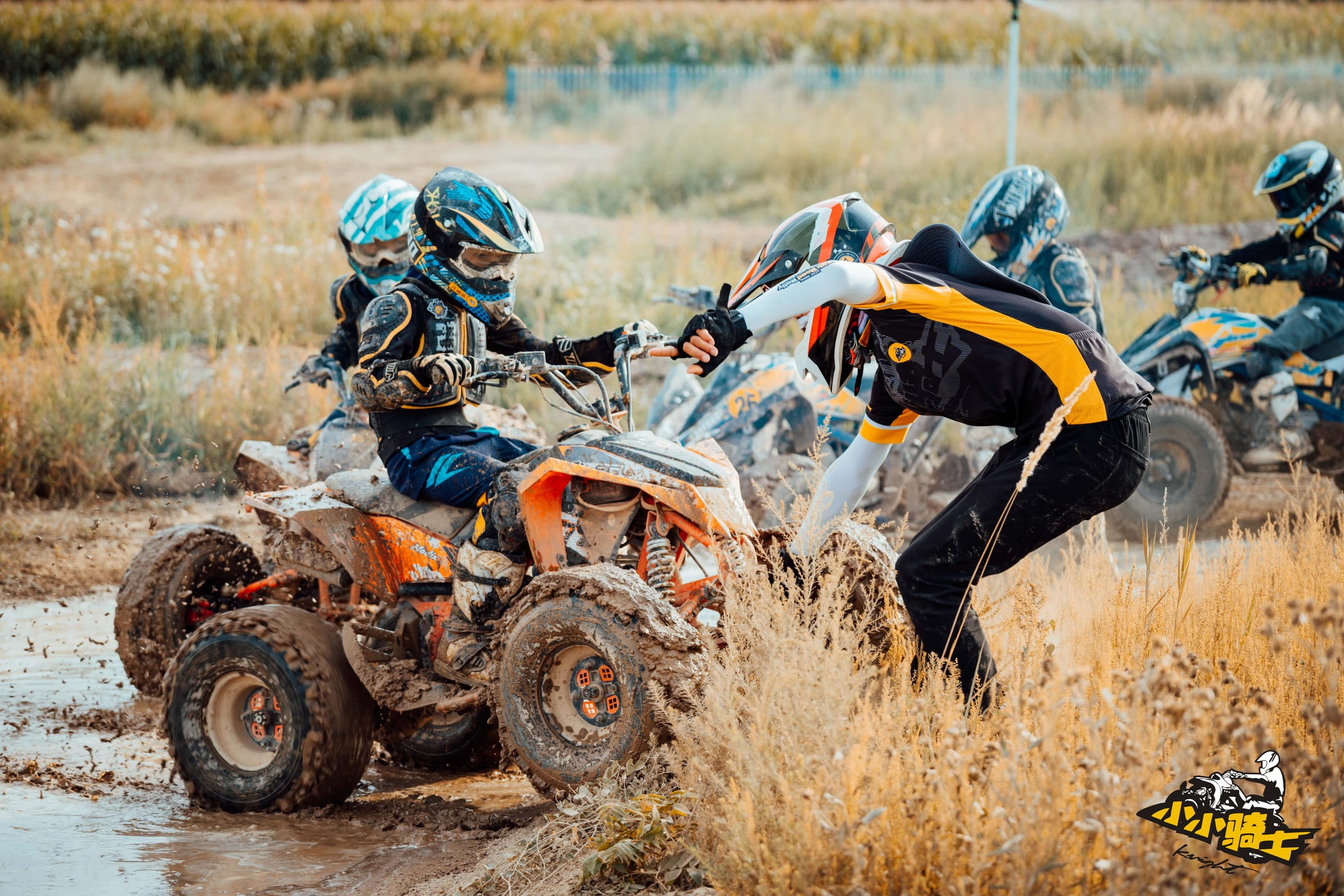
The adult supplies necessary support while the child stays engaged in the task.
Educators often call this scaffolding: hold what the child cannot yet hold, then return ownership as soon as they are ready.
Asking for help is part of independence
Independence is often mistaken for doing everything alone. Rallying makes the limits of that idea obvious. Riders, navigators, mechanics, logistics staff, and the safety team all depend on accurate information from one another.
Responsible independence means knowing what belongs to me, what I have already attempted, when a problem exceeds my ability, and whom to approach for specific support.
Instead of stopping at “I can’t,” a child can learn to say:
- “I checked these parts, but I still cannot identify the cause.”
- “My energy is dropping, so I need to adjust my pace.”
- “I am not sure this is safe. I need a coach to confirm.”
- “I can complete this if one teammate helps with this part.”
Asking clearly for the right help is not weakness. It is a way of taking responsibility for yourself and your team.
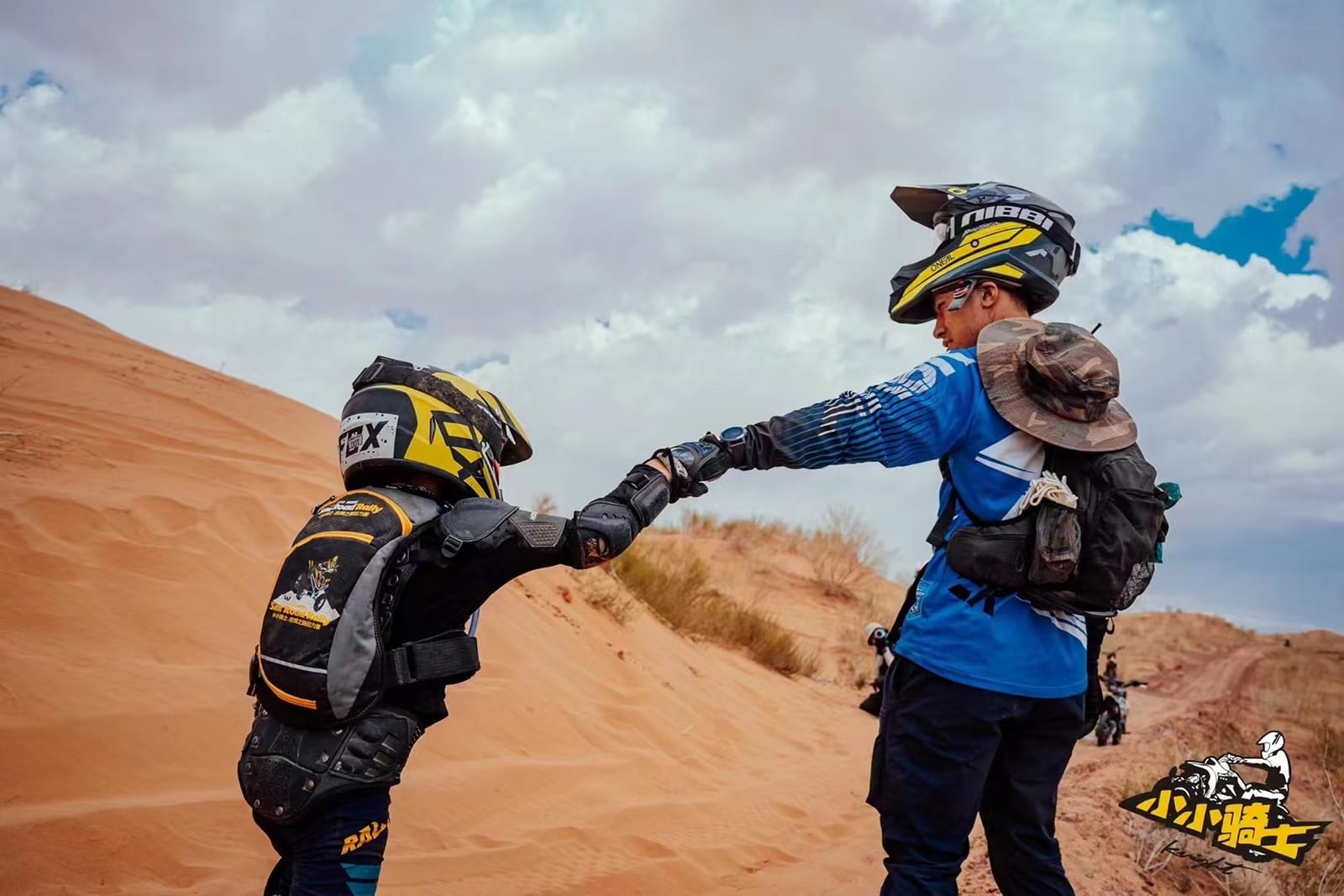
Asking for support can be the responsible step that keeps a child engaged.
Teamwork also means more than lining up neatly and following instructions. If the fastest rider wants to continue but another team member is visibly tired, the group has a real leadership problem to solve. Should the pace change? Who stays with the rider who needs support? How should roles be reassigned?
Sometimes the most important progress is not riding faster. It is choosing, within the team’s operating rules, to adjust pace and make sure a teammate is supported.
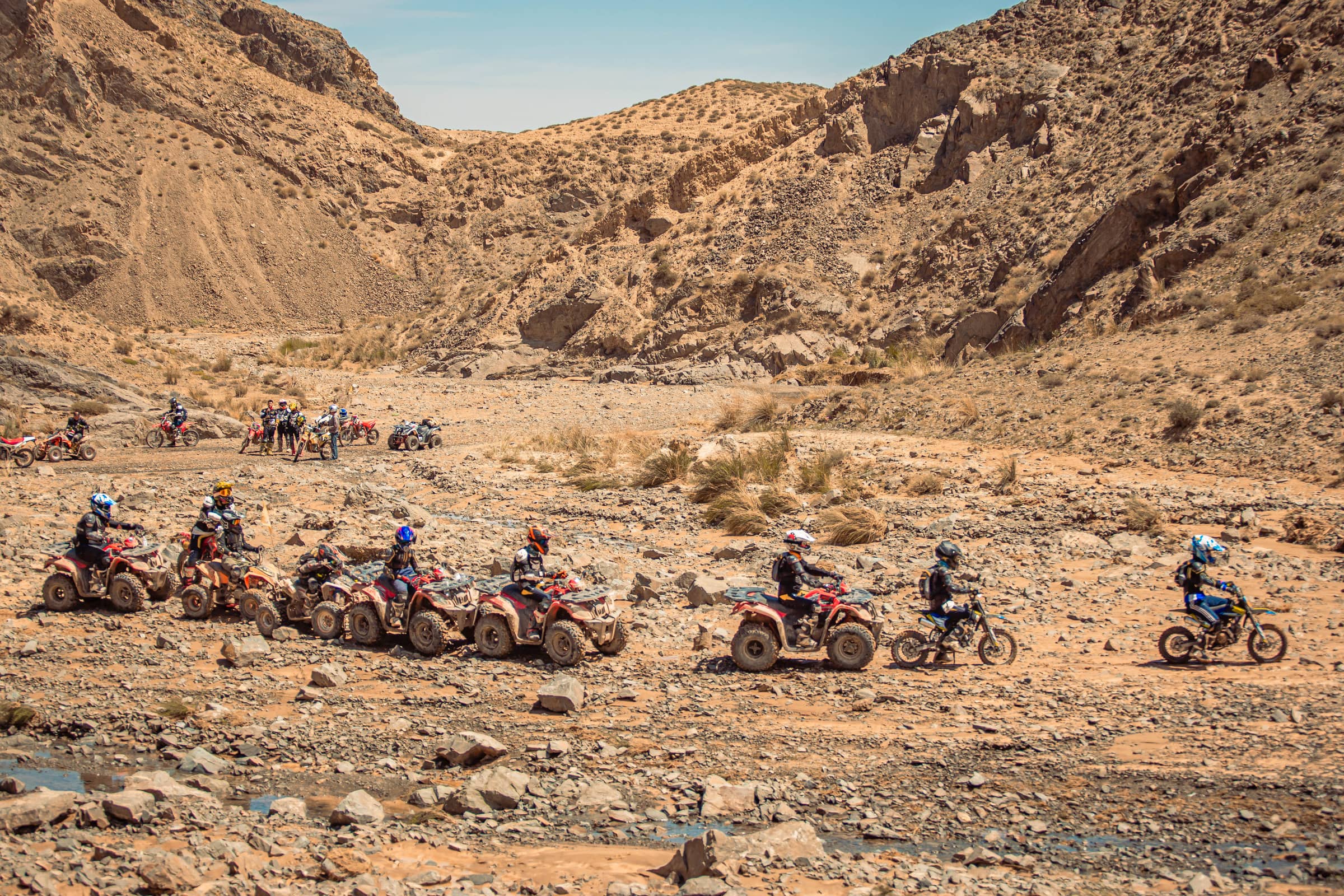
A team reaches the destination through shared information, pace and support—not one rider’s speed alone.
The adult’s role: hold the boundary without taking over
Adults can usually solve a child’s problem faster. We can find the missing item, reorganise the equipment, settle a disagreement, or provide the answer. The activity becomes more efficient—but the child may learn to wait for someone more experienced whenever difficulty appears.
When risk has been assessed and is within a managed range, a coach can replace an instruction with a question: What do you see? Which issue matters first? What options do you have? How might this affect the group? Which part would you like help with?
This pause is never an excuse for passive supervision. If there is immediate danger, injury or clear physical distress, an inability to maintain basic judgment or communication, a vehicle abnormality, worsening weather, or rising route risk, the task must stop and the appropriate trained staff must respond under the safety plan. Productive struggle must never become preventable harm.
Parents can use the same distinction at home:
- If there is immediate danger, injury, or a clear sign of physical distress, protect the child and seek appropriate professional support.
- If the child is experiencing ordinary fatigue or frustration, make room for rest, expression, and a revised plan.
- If the child is temporarily stuck, ask questions that reveal the next step before completing the task for them.
Packing for a family trip, organising school materials, or planning a weekend activity can all become low-risk practice. Returning an age-appropriate responsibility to a child is not neglect. It is a vote of confidence backed by support.
Support does not mean removing every obstacle. It means helping a child build a way through difficulty while a responsible adult keeps the situation safe.
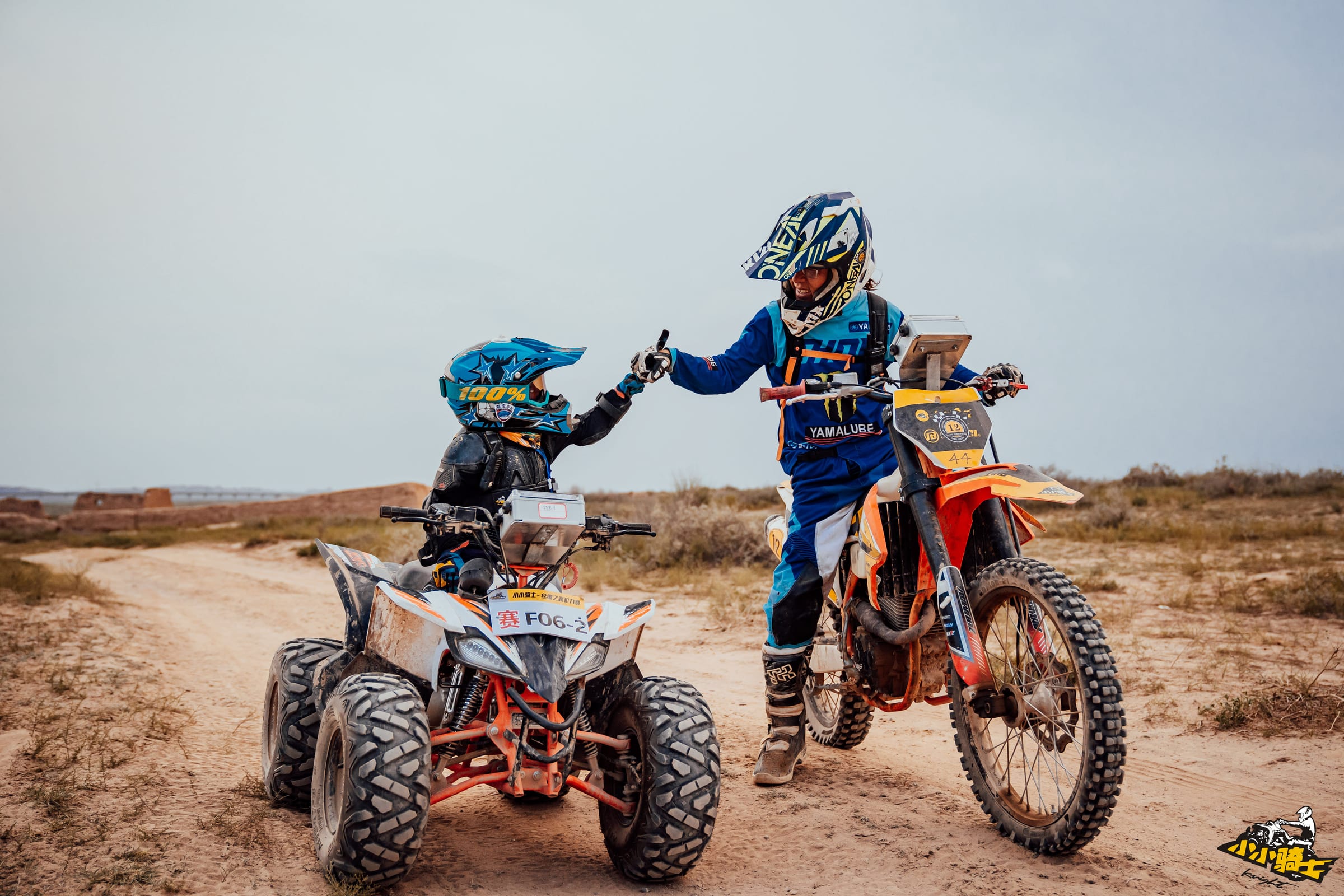
A responsible adult holds the boundary without taking the child’s part of the journey away.
Bringing the method home
One camp cannot transform a child overnight. We would never promise that a participant will return home free from fear, avoidance, or mistakes.
What a well-designed experience can offer is a method the child may call upon again: notice what is happening; recognise physical and emotional signals; break a large problem into a next step; use available resources; ask the right person for specific help; listen to teammates; take responsibility for a choice; reflect and begin again.
These habits can later support a child facing an exam result, a disagreement with a friend, a new school, or an unfamiliar task. The transfer is not automatic, which is why the conversations after camp matter.
Instead of asking only, “Did you make it to the end?”, parents might ask:
- What problem did you encounter?
- What facts did you notice first?
- What did you try?
- Who helped you, and whom did you help?
- If it happened again, what would you change?
Those questions can help children see that we value more than the discomfort they tolerated. We also value how they thought, communicated, acted, and found a way forward with other people.
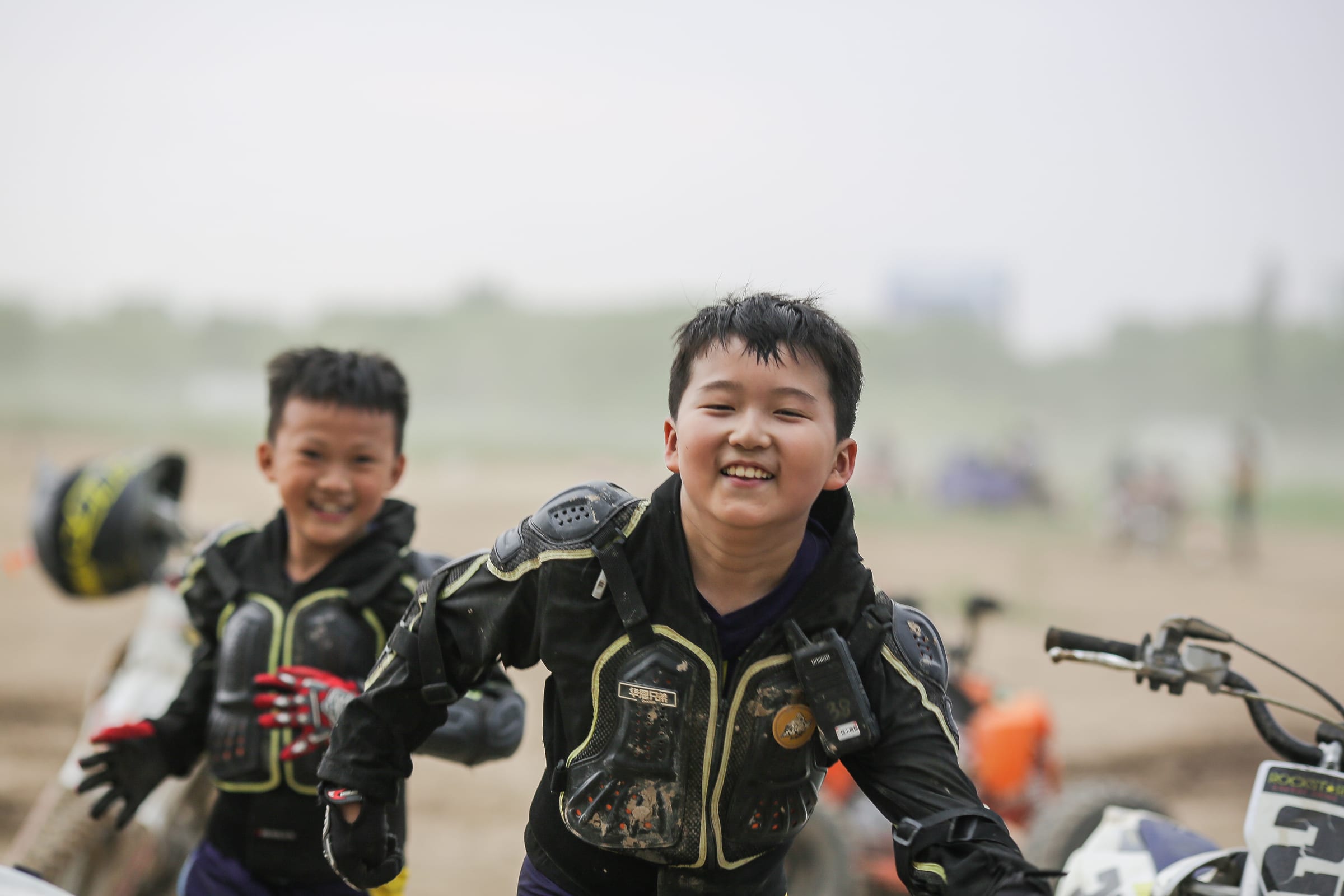
Children do not need to prove their worth through pain. What matters is that they increasingly know how to find the next step.
Children should not have to prove their worth through pain. Perseverance still matters, but meaningful perseverance is not blind endurance. It works alongside observation, judgment, communication, cooperation, and reflection.
Our approach to youth rally education is not about teaching children to suffer more. It is about helping them find direction, solve problems, and reach the destination together when the road keeps changing.
Questions parents often ask
Does this mean hardship has no value?
No. Fatigue, delayed gratification, and sustained effort are part of learning. The problem is using the amount of discomfort as the measure of growth. Perseverance becomes more valuable when it is paired with safety awareness, meaningful choice, and reflection.
When should a child try independently, and when should an adult intervene?
Children can explore low-risk, recoverable problems. If there is immediate danger, injury or clear physical distress, an inability to maintain basic judgment or communication, a vehicle abnormality, worsening weather, or rising route risk, the task must stop and the appropriate trained staff must respond under the safety plan. The child may take part in the conversation, but the adult owns the safety decision.
Will asking for help make a child dependent?
Not when the request is specific and the child remains engaged. A child who can explain what they tried, where they are stuck, and what assistance they need is practising responsibility—not handing the whole task away.
How can I judge whether an outdoor leadership programme is educationally sound?
Look for a clear learning purpose, developmentally appropriate difficulty, a transparent safety system, meaningful but bounded choice, and structured reflection. Our guide to choosing a leadership summer camp for your child offers a fuller set of questions for families.
Explore further
- See how skills develop through the Kids Rally Camp curriculum.
- Review the principles behind our safety system.
- Read the parent guide: How to Choose a Leadership Summer Camp for Your Child.
Tiejun Li (Coach Tie)
Kids Rally Camp · Huaen Brothers Racing Club