Growth & Leadership
How an Ordinary Child Finds Their Place on a Rally Team
A child who does not compete to lead, speak the loudest or ride the fastest may still become one of the team's most dependable members. Real growth begins with meaningful responsibility, safe boundaries and the chance to discover how their actions can help others.
Updated 2026-07-26 by Kids Rally Camp Editorial Team
Growth is not about pushing every child to the front of the team. It is about helping each child discover what they do well, what they are willing to take responsibility for, and what value they can create for others.
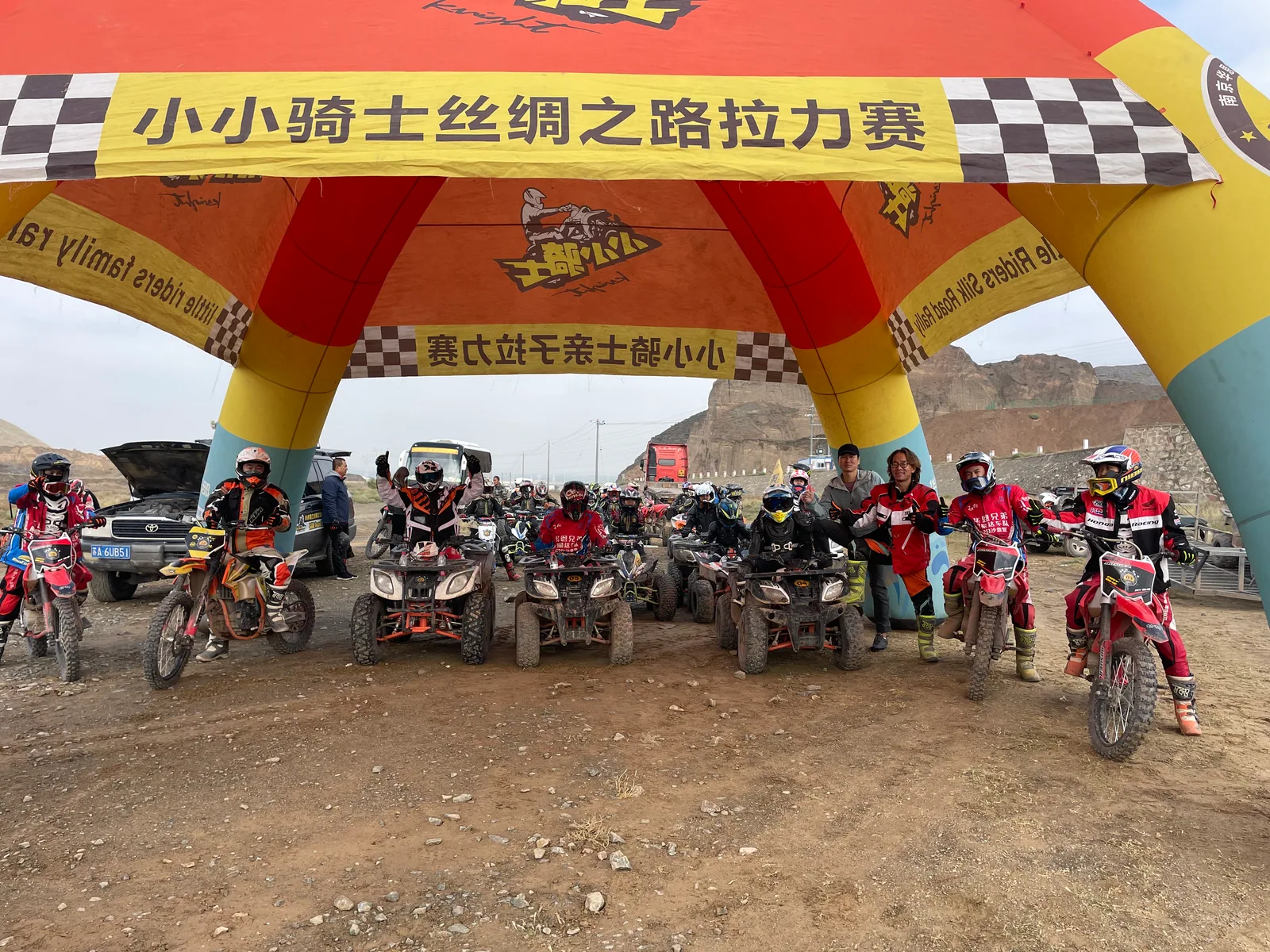
Beneath the start arch, the vehicles line up one after another.
One child already has both hands firmly on the handlebars, leaning forward. Another is still adjusting protective gear. One quietly studies the route ahead, while someone else turns around to make sure a teammate is ready.
When we look back through years of Kids Rally Camp photographs, the first images to catch our attention are usually the ones at the front: dust rising behind a rider, mud flying from a wheel, a flag moving as a child crosses the gate.
Look for a little longer, however, and other moments begin to appear.
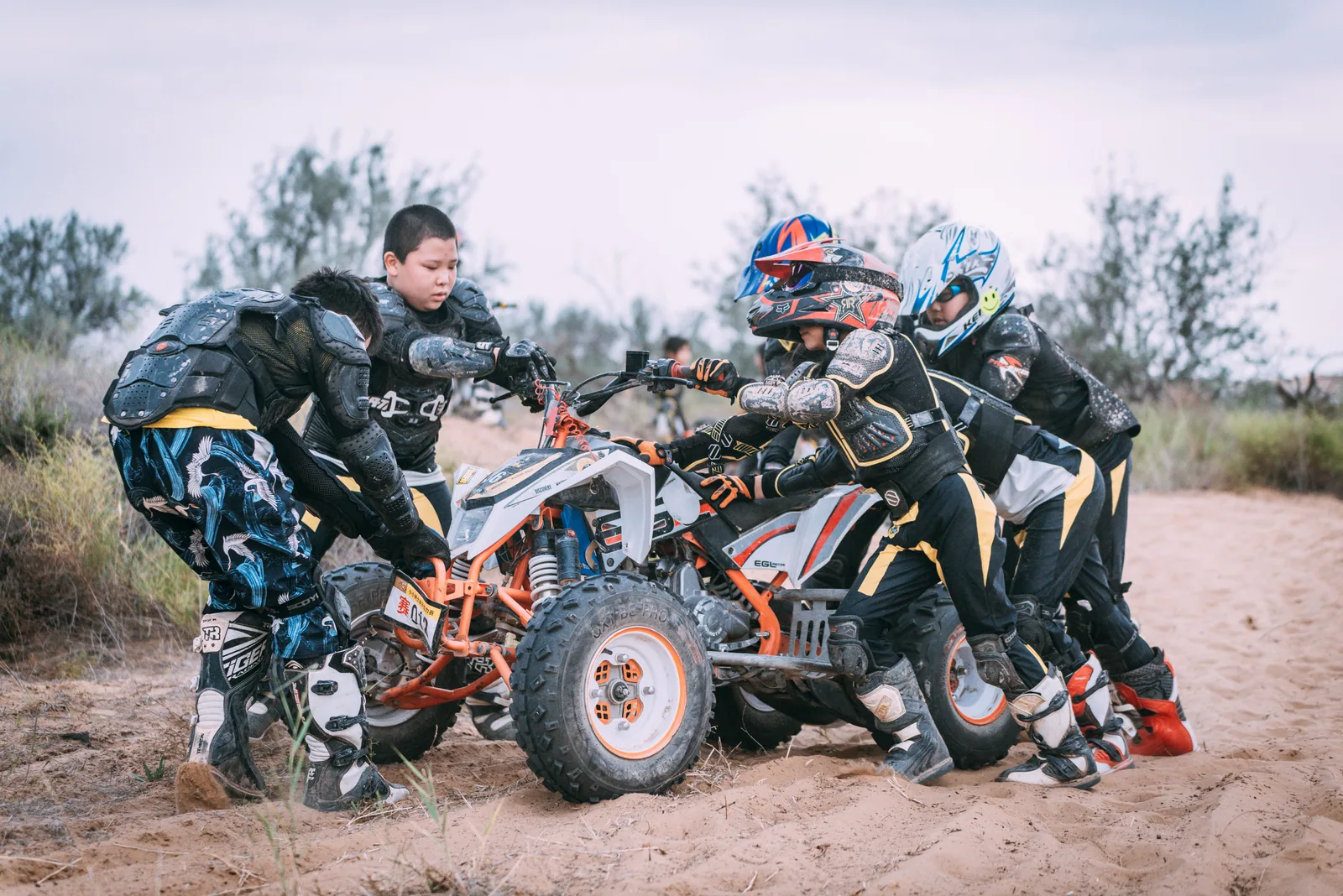
A vehicle is stuck, so several pairs of hands steady its frame and push the wheels. One child waits beside the route. Another crouches to inspect a vehicle. Someone passes information to a teammate, and someone else stays close when a partner slows down.
These moments do not happen at the centre of a podium, but they are much closer to the truth of how a team works.
At the beginning of a camp, it is natural for parents to notice the children who ride quickly, take visible risks and speak confidently. Other children do not want to leave first. They do not compete to be captain. In a new environment, they may need time to stand at the side and observe.
Parents may wonder: Is rally camp really suitable for a child like this? If my child is not naturally competitive, will the experience still matter?
After more than a decade of Kids Rally Camp, our answer has become increasingly clear:
The deepest value of rally learning is not that the fastest, boldest or most outgoing children receive all the applause. It is that every child—including the one who is easy to overlook—has a chance to find a meaningful place in the team.
The camera naturally follows whoever is in front
We are used to measuring children along a single line.
At school, that line may be grades. In a competition, it becomes speed and rank. The first child to finish appears to be the most capable. The child who steps forward looks like the strongest leader. The child who shows no nervousness is called brave.
Those measures are not meaningless. Speed requires practice. Achievement deserves respect. The willingness to take on a challenge should be recognised.
The problem begins when one measure becomes the only measure. Children are then judged as “not good enough” before we have really seen what they can do.
A child who observes before acting is labelled timid. A child who does not compete for airtime is assumed to lack leadership. A child who waits for a teammate can disappear from view precisely because they did not arrive first.
Eventually, children may accept the same conclusion: If I cannot be at the front, perhaps I have no value here.
But real life is not one short race in which everyone must compete for first place. A team needs people who act quickly and people who judge steadily. It needs decision-makers, but it also needs those who notice what has been missed, protect a boundary and care for others.
The point is not to remove competition. It is to help a child understand that a ranking can describe the result of one event, but it cannot describe the full value of a person within a team.
A team needs more than its fastest rider
From a distance, rally may appear to be all about the rider.
At the actual site, it quickly becomes clear that the rider is only one part of a much larger system.
Routes must be read. Vehicles must be checked. Equipment must be managed. Time, supplies and communications must be coordinated. Adults must maintain safety systems, and someone must record and share important information.
Conditions can change at any point along the route.
When a vehicle sinks into soft sand, one person may not be able to return it to the track. When someone becomes stuck in mud, the people nearby have to decide whether to continue, wait or help. When the group stretches out, someone must keep track of the members at the back.
In the photograph at the top of this article, many hands are pushing one stuck ATV. It is difficult to identify a single “main character.” The person steadying the frame, the person pushing the rear wheel and the person controlling the direction are all making the same outcome possible: the team can move again.
Rally is not a story about one hero carrying everyone to the finish. It is a journey completed by people with different abilities working together.
Children should never be asked to take on professional mechanical, medical, safety or high-stakes route decisions. Those responsibilities belong to qualified adults. Within clear safety boundaries, however, a child can take ownership of a real part of the work.
One child can complete a personal equipment check. Another can remind teammates of the meeting time. A child can help observe route markers, record the day’s tasks, check personal belongings at a rest point, or learn to wait and report when someone falls behind.
The child begins to understand that participation is not only about “how much I completed.” It is also about “what difficulty I helped remove for someone else.”
“Ordinary” may simply mean an ability has not found the right setting
An “ordinary child” is often not a child without ability. Their ability may simply not yet have entered a setting in which it can become useful.
Some children respond immediately when a task appears. Others move more slowly but notice details everyone else has missed.
Some enjoy speed and challenge. Others are sensitive to risk and repeatedly check their equipment and route.
Some children express themselves easily. Others say very little but remember the steps, the gear and the agreement.
Some enjoy competition. Others are most motivated when they can help a partner and see everyone complete the task together.
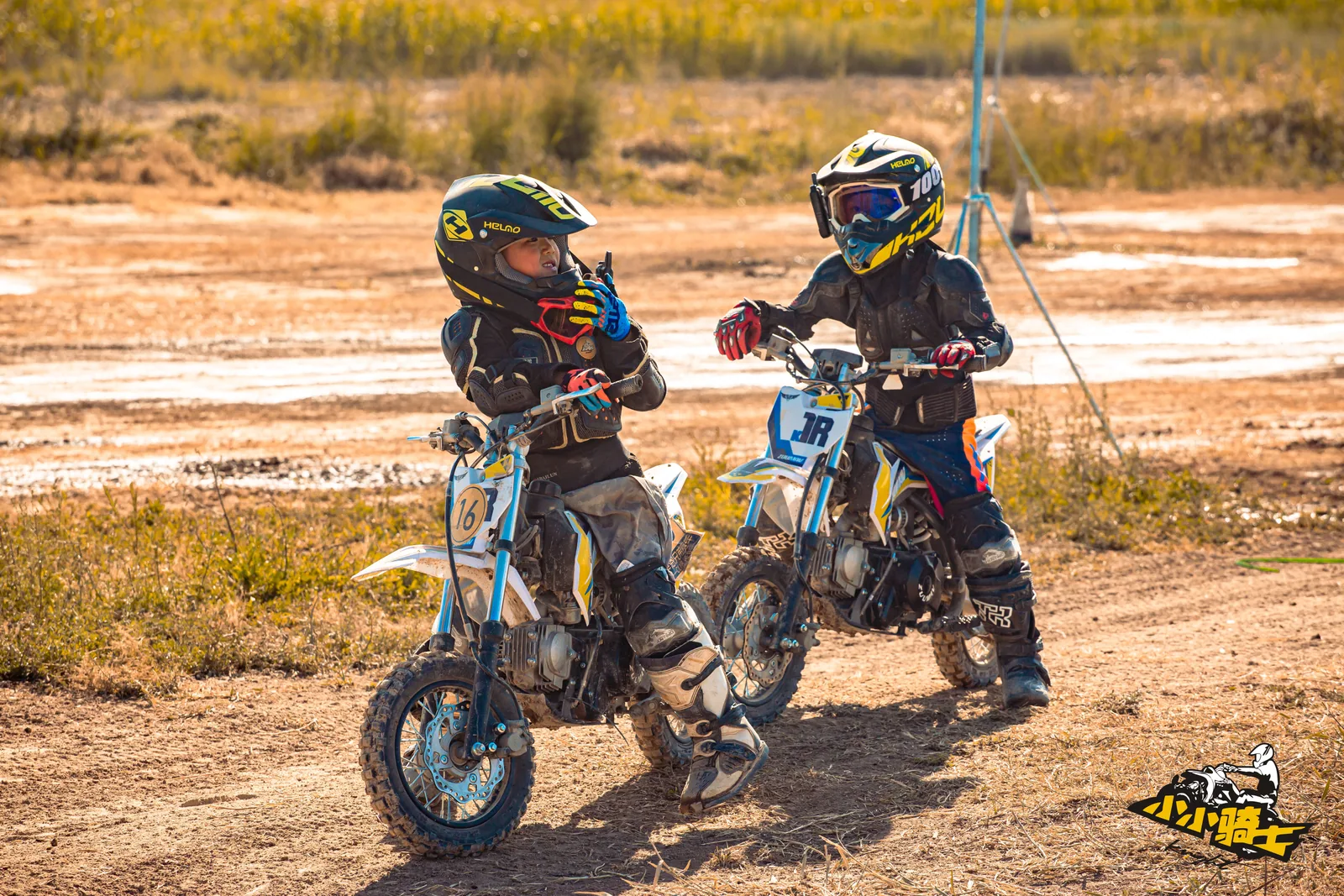
These differences do not form a ladder from “best” to “worst.” They are different ways of taking part in the world.
In daily life, a cautious child may often hear, “Stop taking so long.” In an outdoor team, that same caution may reveal something everyone else forgot. A child who does not compete to lead may be the one who slows down and waits when a partner falls behind.
When a trait genuinely solves a problem for the group, the child gains new evidence about themselves: perhaps this part of me—the part that used to be criticised—can also become a strength.
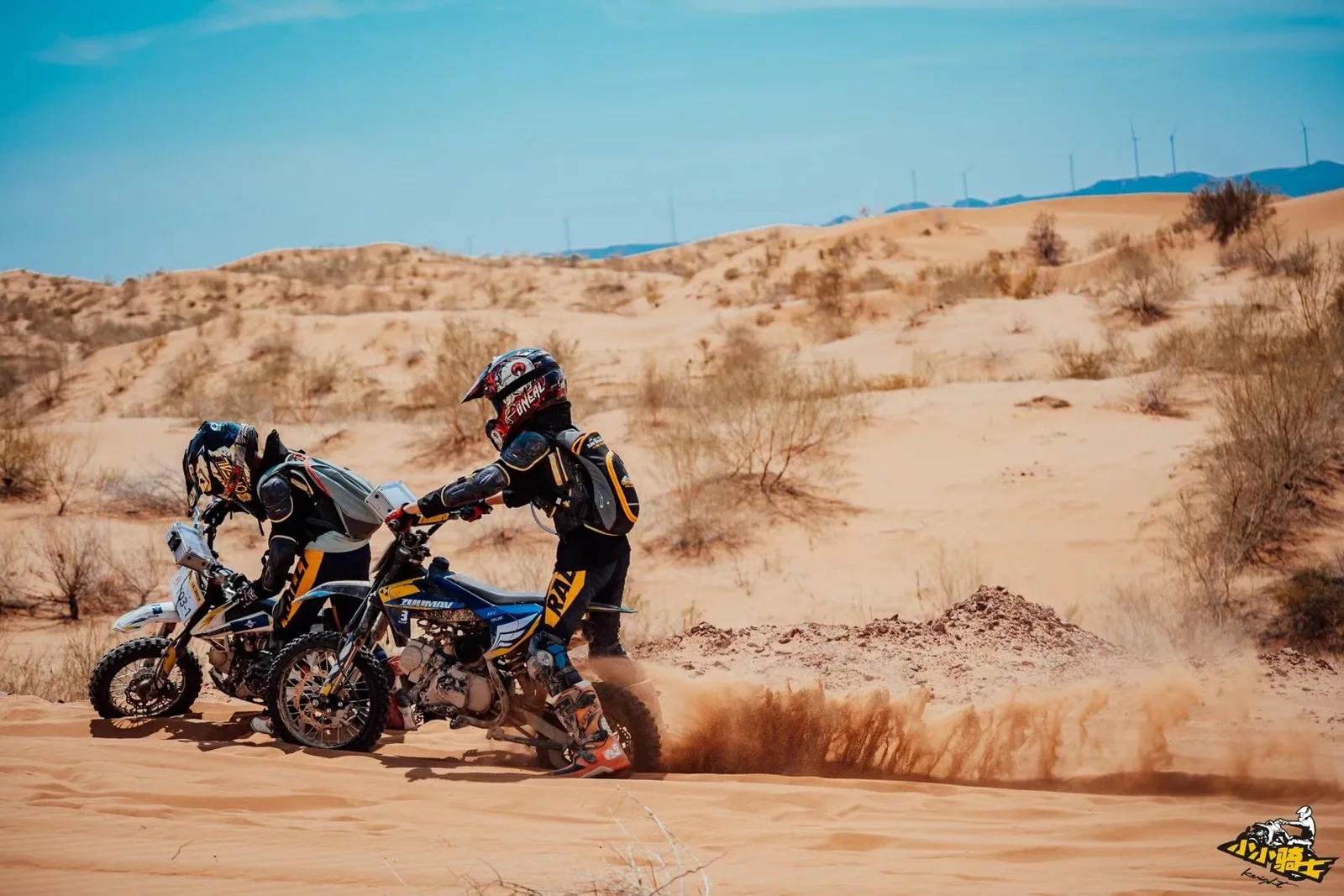
Leadership does not belong only to the person at the front or the person with the loudest voice.
Leadership can mean making a decision, but it can also mean noticing a risk. It can mean encouraging a group to continue, or saying clearly, “We need to stop and check.” It can mean giving another person confidence, or simply completing every part of what you promised to do.
Some children do not issue loud instructions, yet they keep their commitments. They do not compete for the camera, yet they remain nearby when a partner is struggling.
Leadership is not making everyone listen to you. It is giving other people a reason to trust that when something is placed in your hands, you will take it seriously.
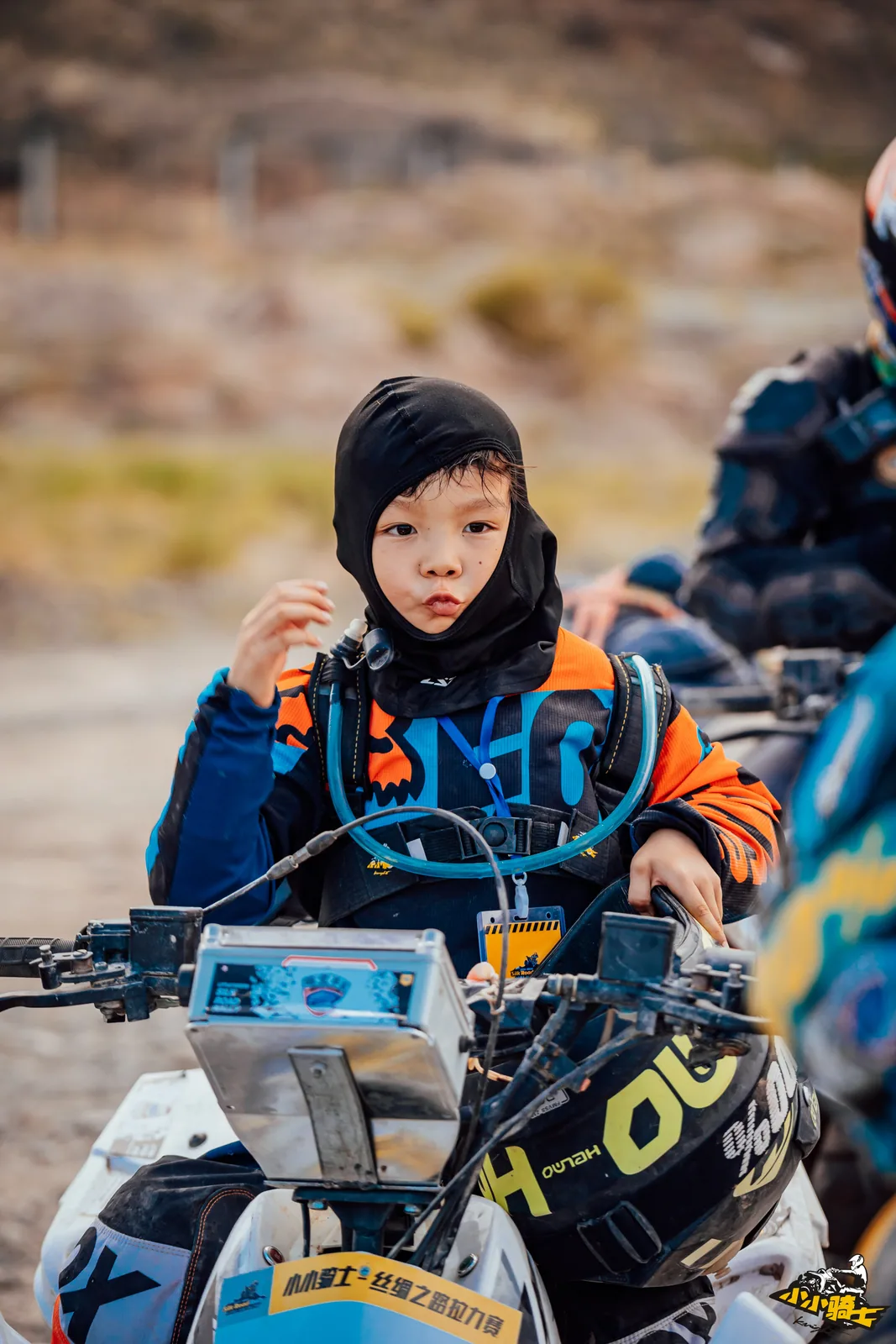
Finding a place should not mean replacing one label with another.
If a child enjoys checking a vehicle today, we should not immediately decide that mechanics must be their future. If they have a good sense of direction, we should not declare that navigation is now their fixed identity.
A role should be allowed to move. A child who manages equipment this time may try photography next time. Someone who stays near the back today may move forward after gaining experience. A child interested in riding now may later become curious about routes, machines, natural observation or team organisation.
Children do not need a final answer too early. They need a series of experiences real enough to help them ask: What draws me in? What responsibility do I want to carry again? What do other people learn to trust me for?
A role is not a badge; it is responsibility with a real result
Many children’s programmes appoint a captain, flag bearer or group leader.
If the role appears only in a photograph while adults continue to make every decision and do every task, the child has received a badge—not responsibility.
A real role must be connected to an outcome.
The child responsible for equipment needs to know what to check before departure. The timekeeper needs to remind the group at agreed moments. The child helping with documentation needs to decide which parts of the day are worth recording. A child joining a route discussion must learn to read information, ask questions and report uncertainty.
Even a captain cannot simply stand in front and repeat a slogan. They need to notice whether everyone is present, whether the task was understood and whether someone in the group has not been heard.
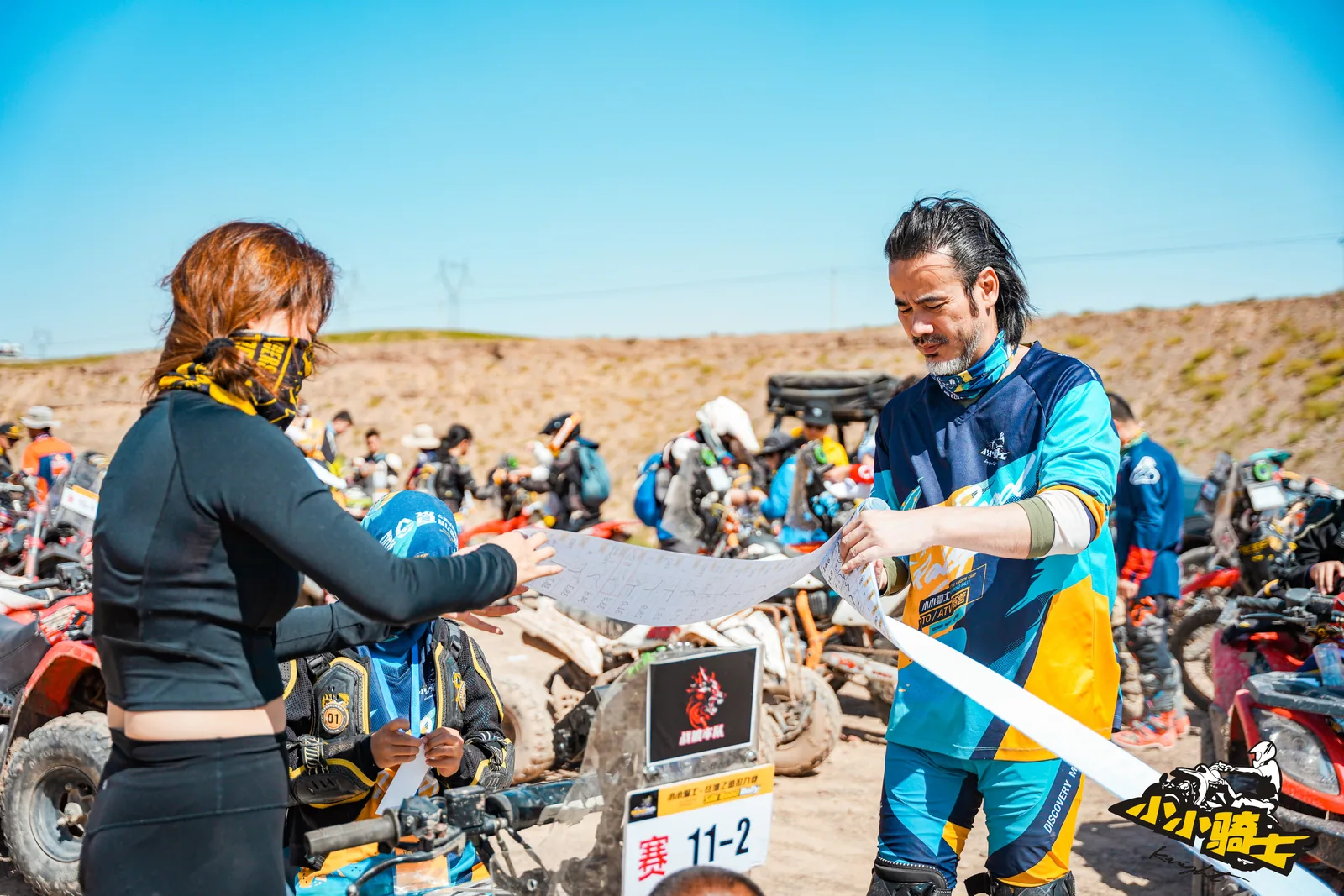
These tasks may look small, but they need two important qualities.
First, they must be real. Whether the child completes the task should have a visible effect on what the team does next.
Second, they must be manageable. A first attempt may be imperfect, but it must not cross a safety boundary, and an adult must be ready to step in and correct the situation.
What changes a child is not hearing an adult repeat, “You are important.” It is the day the child realises that other people are genuinely waiting for them to finish something.
That sense of value does not come from praise alone. It comes from cause and effect: because I checked carefully, the team avoided an omission; because I reminded everyone in time, a partner did not miss the meeting; because I noticed something unusual and reported it, the problem was addressed early.
A role with no consequence is only a badge. A role that must be completed with care can teach a child what responsibility means.
A good coach does not define a child for them
Adults often become anxious when a child takes a long time to enter the group.
Parents want to know what their child is good at. Coaches may feel pressure to assign a role immediately so the child appears to be participating.
Some children simply need a longer runway.
They need to observe the environment and understand the rules. They need to know that one mistake will not bring instant ridicule. They may need several very small tasks before they can build the belief, “I can complete this.”
At that point, the coach’s most important work is not to announce an answer. It is to create opportunities.
The child can organise equipment once, join part of a route conversation, observe a vehicle check, give one time reminder, or name one thing they noticed during reflection.
Doing something poorly the first time does not prove that the child is unsuited to it. They may need more attempts, or they may try it and decide they truly do not enjoy it. Both results contain useful information.
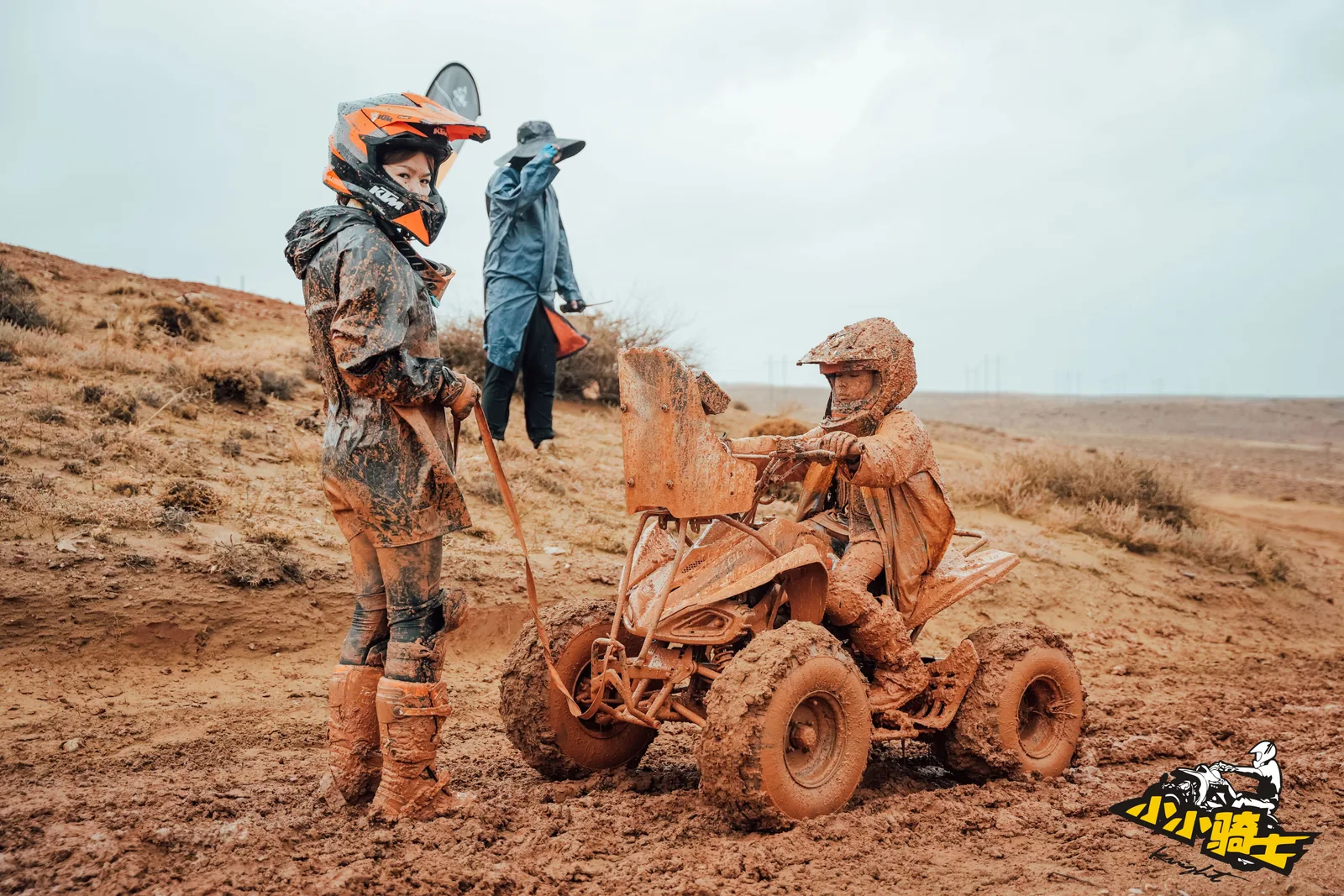
We should not romanticise hardship for its own sake. Every challenge in an off-road environment must remain subject to professional judgment and clear safety rules.
The educational value of difficulty is that it makes relationships and responsibility concrete.
On a smooth road, it is easy for a child to see only their own speed. When a vehicle is stuck, a route is blocked or a teammate needs help, the child learns that “Keep going!” is not enough. Someone must stop. Someone must assess the situation. Someone must reach out.
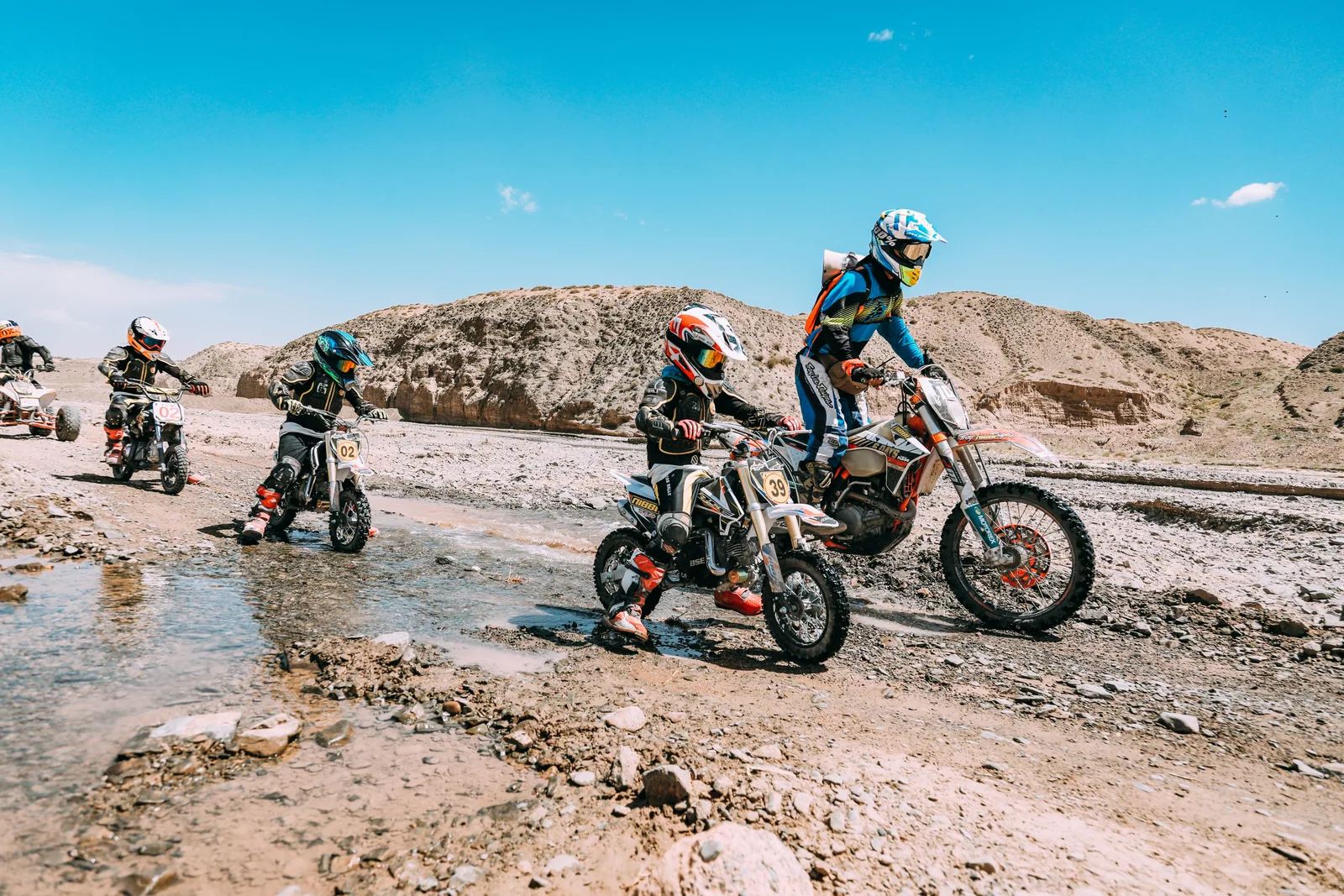
A good coach observes more than speed and completion.
They notice when a child is most focused and which tasks draw the child closer. If the child does not act, is it because they fear failure, have not yet understood, or simply have no interest? Do they relax during an individual task or come alive when working with a partner?
A coach should not define a child. A coach helps the child gather enough real experience to form their own judgment.
When children know that one mistake will not define them, they become willing to try a new role. When they understand that “I cannot do this yet” can change through practice, they become willing to invest in responsibility over time.
Real progression means responsibility is growing
Kids Rally Camp can be a child’s first systematic experience inside a real outdoor team.
At the beginning, the most important questions are not how far the child travelled or how fast they rode. Can they care for themselves, follow safety rules, manage equipment, complete a basic task and move with other people?
Progress cannot be measured only by longer distances, higher speeds or more powerful vehicles.
What should grow is the child’s place within the team:
- from waiting for instructions to noticing a task;
- from managing only themselves to helping a teammate;
- from completing one role to understanding how several roles connect;
- from accepting a route to taking part in observation and judgment;
- from trying one experience to training an ability over time.
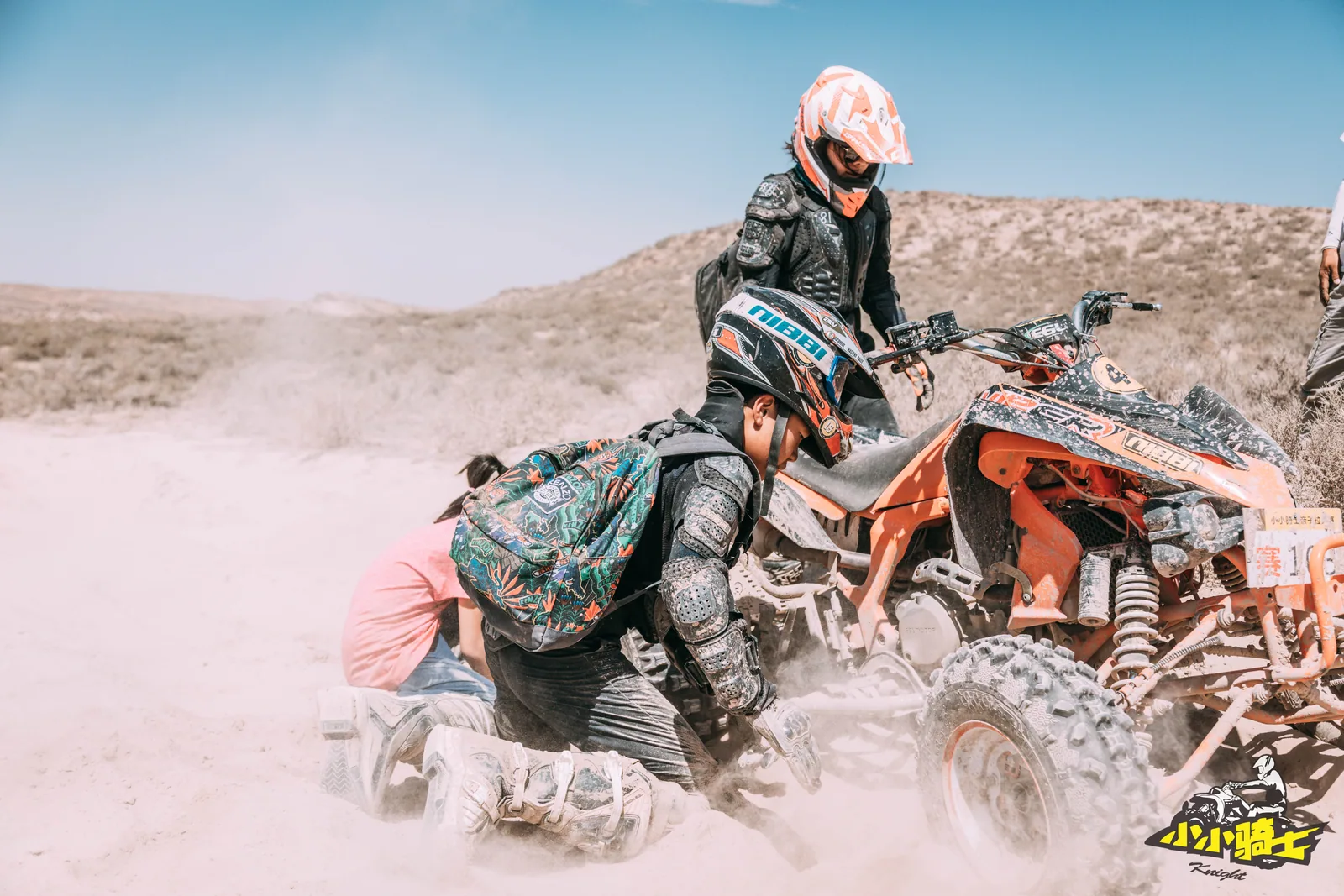
Rally does not require every child to become a rider.
A vehicle can be a doorway into the real world, but it is not the only exit. One child may become interested in mechanics. Another may notice maps and spatial thinking. Someone may want to document the journey, organise a group, hike, cycle, study nature or follow an entirely different direction.
That is not leaving the path.
Discovering through experience that you do not enjoy something is also a form of self-knowledge. Growth is not following an adult-designed route without deviation. It is gradually finding, through repeated choices, the direction in which you are willing to invest.
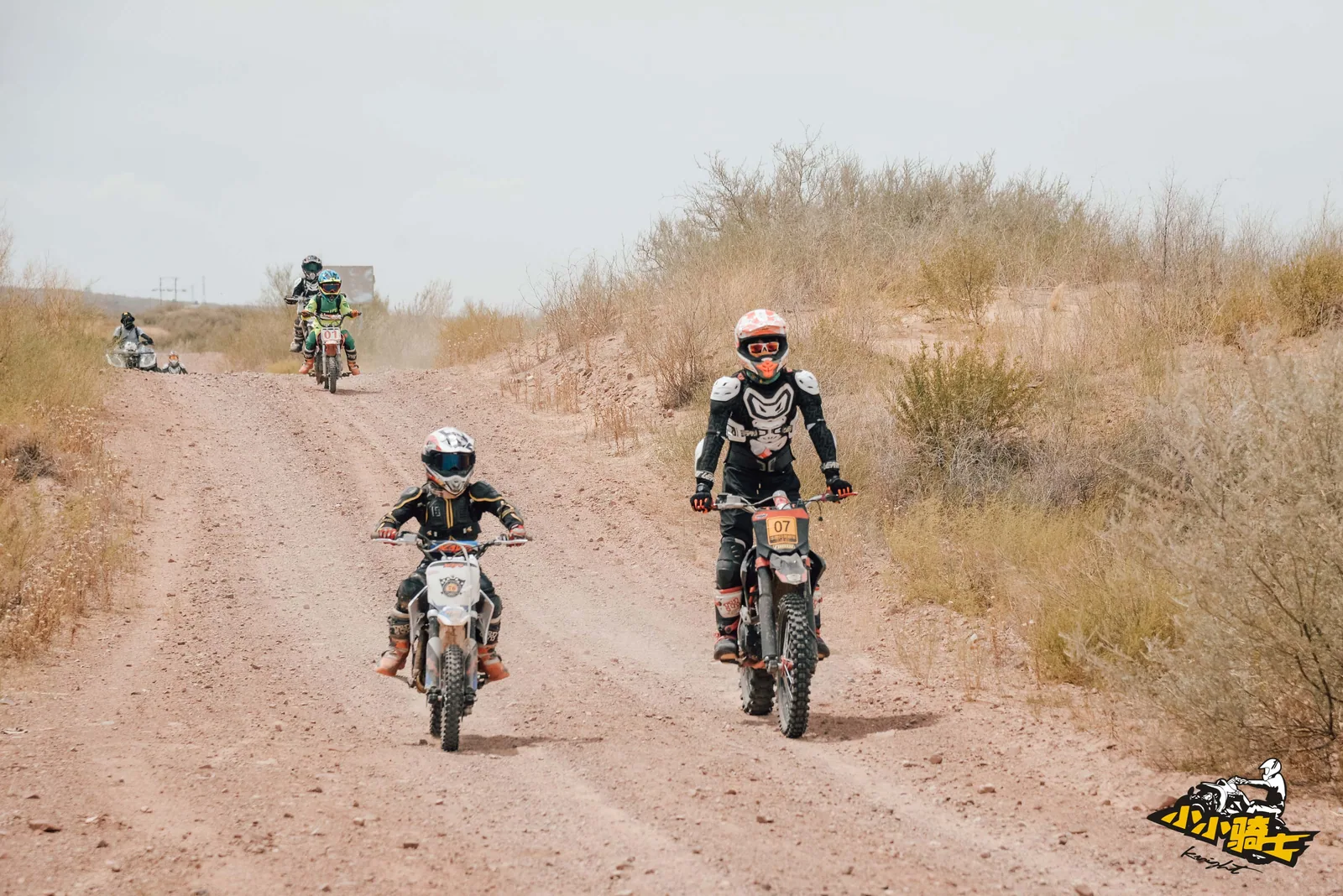
At home, make room for the child’s new evidence
A child may find a useful place within a team and then return home to become, once again, “the careless one,” “the timid one,” “the quiet one” or “the one who always needs reminding.”
Old family impressions are powerful.
Even after a child has managed equipment carefully at camp, a parent may automatically pack everything for them at home. Even after completing an independent task, the child may still be given no opportunity to own a real responsibility in daily life.
When that happens, a capacity that has just begun to grow may never cross from the camp into the child’s everyday world.
Parents do not need to continue praising the child for several days. They need to accept the new evidence the child has provided.
If the child checked equipment carefully, let them own the packing list for one family trip. If they became interested in routes, invite them to help plan a weekend journey. If they supported a teammate, give them a genuine cooperative task at home.
The responsibility does not need to be large, but it should be clear, stable and connected to an appropriate consequence.
Most importantly, use fewer old labels and ask more questions about how the child achieved what they did. Children need to know that their parents not only saw one successful moment, but also believe the ability can continue to grow.
Most children are not astonishing the first time they join.
They need time to observe. They need small tasks in which confidence can accumulate. They need to make mistakes, and they need to be taken seriously even when they are not the most visible person in the group.
“Ordinary” does not mean unimportant.
The future will need more than the small number of people who stand on podiums. It will need dependable engineers, patient organisers, careful observers, willing collaborators and people who take responsibility when a problem appears.
Education should not try to package every ordinary child as a genius.
It should help a child discover:
- even if I am not the fastest, I can still help the team;
- even if I do not want to stand in front, I can become a trusted partner;
- even if I do not yet have an obvious strength, I can build an ability through practice.
Once a child finds a place, they no longer need to imitate everyone else to prove their value.
They begin to understand what they do well, what they are willing to carry and how they can complete something together with other people.
This may be the most important part of rally learning:
Not pushing everyone to the front, but helping each person find a place in the real world where they can act with care, continue to grow and create value for others.
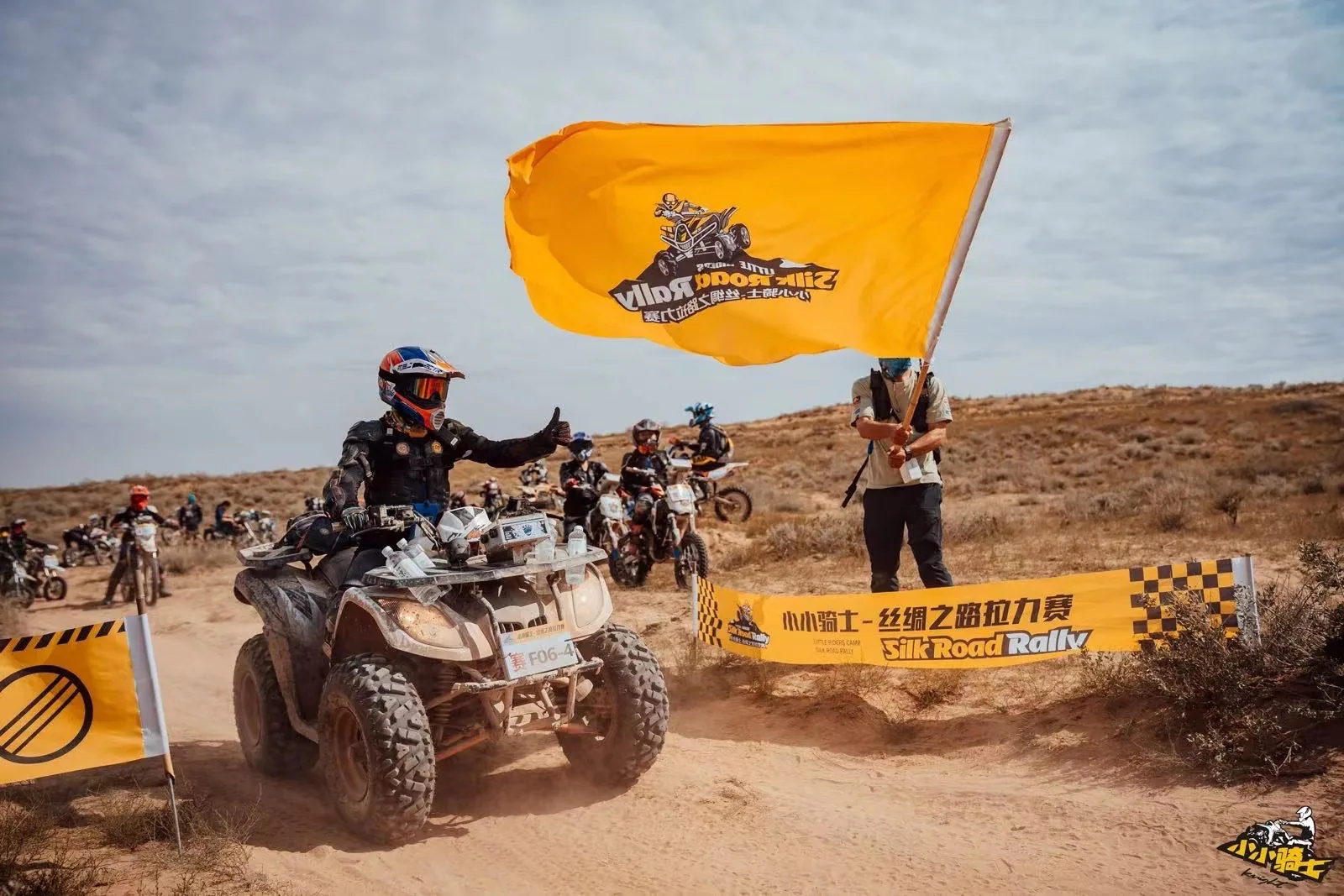
Four questions to ask after the experience
Before asking about rank, parents might begin with these questions:
- What was one thing you were genuinely responsible for completing?
- Who received help—or avoided a problem—because of something you did?
- When did you feel most absorbed and most useful as a team member?
- If you could try a different role next time, what would you choose, and why?
A child does not have to be the brightest figure in the team. Through repeated action, they can become dependable, responsible and able to create value for others.